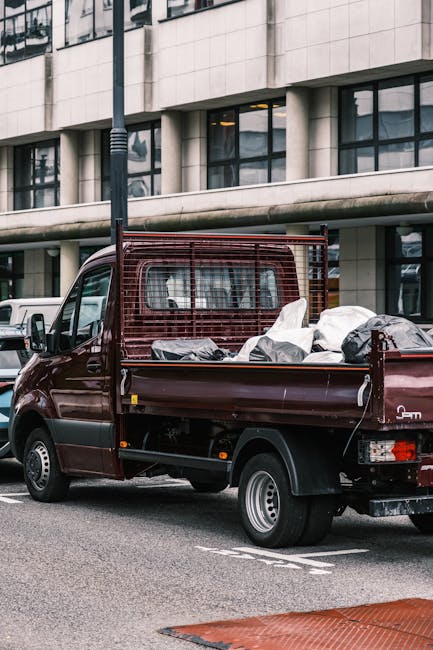
Avoid hidden rubbish removal charges in Sidcup
If you have ever arranged a rubbish clearance and then watched the final bill creep up, you will know how frustrating it feels. A quote starts off neat and tidy, then suddenly there are extras for access, loading, heavy items, or things you assumed were included. That is exactly why people search for ways to avoid hidden rubbish removal charges in Sidcup. It is not just about saving money; it is about knowing what you are paying for before anyone lifts a single bag.
This guide breaks the whole thing down in plain English. You will learn how rubbish removal pricing usually works, which charges are most likely to appear, how to compare quotes properly, and what to ask before booking. We will also cover when certain specialist services matter, such as builders waste clearance, office clearance, and furniture disposal, because the details can change the price more than people expect.
Let's face it, no one wants a surprise invoice after a stressful clear-out. So let's make it simple, practical, and a bit less annoying.
Why hidden rubbish removal charges in Sidcup matters
The main reason this topic matters is simple: rubbish removal is rarely as straightforward as it first appears. A pile of junk in a garage, a few broken wardrobes, or a post-renovation mess can look manageable from the doorway. Once the team arrives, though, the picture changes. There may be stairs, awkward access, heavier loads, mixed materials, or items that need special handling. If those things were not explained clearly in advance, the final cost can rise fast.
In Sidcup, where people often balance busy family homes, flats, small businesses, and renovation projects, clarity matters even more. A quoted price should be a real price, not a guess with a few hidden additions tucked underneath. When you understand how pricing works, you are in a much stronger position to compare services fairly and avoid paying for vague wording.
Hidden charges also create trust problems. If a company is unclear about disposal fees, labour time, or whether VAT is included, you are left second-guessing everything else. And honestly, once that happens, even a fair price can feel suspicious. That is not a great customer experience for anyone.
Key takeaway: The cheapest quote is not always the cheapest job. The safest approach is to compare like-for-like, confirm what is included, and get clarity before the collection day.
That approach is especially useful if you are arranging a larger project, such as a house clearance or a home clearance, where the amount and type of waste can shift more than expected.
How rubbish removal pricing works
Most rubbish removal companies base their pricing on a combination of volume, weight, labour, item type, and access. In everyday terms, they are trying to estimate how much space your waste will take, how hard it will be to move, and whether any items need special disposal or extra care.
Here is the part that often catches people out: two clearances that look similar from the outside can cost quite differently. A bag-filled loft with easy access is not the same as a narrow staircase, a top-floor flat, and a fridge that needs careful removal. The quote should reflect those practical differences, but the key is that they should be explained clearly.
Common pricing factors include:
- the amount of rubbish, usually measured by van load, cubic yard, or load size
- the type of waste, such as general household rubbish, garden waste, or construction debris
- the number of people needed to move it
- access issues like stairs, distance from vehicle, or tight hallways
- special items such as mattresses, sofas, fridges, or hazardous materials
- any sorting, dismantling, or loading time required
Some companies offer a clear rate card, while others provide a custom quote after seeing photos or visiting the site. Both can work well if the rules are transparent. A quote that says "subject to inspection" is not automatically dodgy. But if there is no explanation of what might change the price, that is a red flag.
For example, if you are clearing out a garage, you might think the job is mostly cardboard and old tools. Then the team discovers a broken freezer, some paint tins, and a rusted metal cabinet. Suddenly the original quote no longer fits. That is why services like garage clearance are often priced with more detail than people expect.
Common hidden charge triggers
Some additions are legitimate, but they should never be a surprise. Watch out for:
- extra labour for carrying items down stairs
- minimum load charges if the job is smaller than expected
- surcharges for bulky waste or heavy materials
- separate disposal costs for electrical items or appliances
- fees for restricted access, parking pressure, or long carries
- VAT added at the end when the quote looked like a final figure
- unexpected charges for items that were not listed at the start
To be fair, some of these are perfectly reasonable if they were explained properly. The real issue is not the charge itself. It is the surprise.
Key benefits and practical advantages
When you avoid hidden rubbish removal charges, you do more than protect your budget. You also make the whole job calmer and faster. Clear pricing reduces the back-and-forth, helps the team arrive with the right vehicle and crew, and makes it easier to choose the right service in the first place.
Practical advantages include:
- Better budgeting: You can plan the cost without leaving a safety margin for unknown extras.
- Fewer disputes: Clear agreement up front means fewer awkward conversations later.
- Faster bookings: When the quote is clear, the job can usually be arranged sooner.
- Better comparisons: You can compare providers fairly rather than guessing what is included.
- Less stress: The whole process feels more predictable, which matters when you are already busy.
The other benefit is confidence. Once you know what a fair quote looks like, you stop feeling pushed around by vague sales talk. That matters whether you are clearing a single room, arranging flat clearance, or booking a larger house clearance.
And yes, there is a very human benefit too: you can make decisions without that nagging feeling that you've missed something obvious. Nobody enjoys that feeling. Nobody.
Who this is for and when it makes sense
This advice is for anyone arranging rubbish removal in Sidcup who wants honest pricing and fewer surprises. That includes homeowners, landlords, tenants, local businesses, tradespeople, and anyone clearing out a property after a move, renovation, or end-of-tenancy job.
It makes sense especially when:
- you have a mix of general waste and bulky items
- you are clearing from a loft, garage, flat, or office
- you are dealing with waste after building work
- you need a one-off clearance and do not want a long-term contract
- you have items that might need separate handling, such as white goods or mattresses
- you are comparing several providers and want a fair decision
If you are a business owner, transparency becomes even more important because waste budgets need to be controlled. A service like business waste removal should make it clear how collections are priced and what happens if the volume changes. Similarly, if you are dealing with old desks, files, or shelving, office clearance may involve different assumptions from a standard household job.
There is also a good fit for people clearing out awkward items such as sofas, mattresses, and fridges. These can look simple at first glance, but disposal rules and handling needs may make a difference. If that sounds familiar, it is worth checking pages like mattress and sofa disposal or fridge and appliance removal before booking.
Step-by-step guidance
If you want to avoid hidden rubbish removal charges in Sidcup, the best method is to follow a simple process rather than relying on gut instinct. Here's a practical way to do it.
1. List exactly what needs removing
Write down the waste in plain terms. Not "stuff from the spare room" - that helps nobody. Use categories like chairs, wardrobe, broken shelving, garden cuttings, plasterboard, old boxes, or electricals. If possible, count items and estimate how much space they take up. Photos are even better.
2. Separate ordinary waste from special items
Some items are fine in a general clearance, while others may need special handling. A few examples are fridges, mattresses, paint, sharp materials, or anything that could be classed as hazardous. If you are unsure, ask before booking rather than after the van has arrived. It saves hassle. A lot of it.
3. Ask what the quote actually includes
Do not settle for a single number without context. Ask whether the quote includes labour, loading, disposal, VAT, congestion or parking considerations, and any minimum charge. If the company uses a "from" price, ask what would cause it to go up.
4. Check access details honestly
Access can change a job more than the waste itself. Mention stairs, lift access, narrow hallways, long driveways, rear garden access, or limited parking. A good quote should reflect reality, not wishful thinking. If the team can access the load easily, great. If not, better to know early.
5. Confirm timing and loading expectations
Some jobs are quick tidy-ups. Others take longer because items need dismantling, bagging, or careful movement through the property. Ask whether the price assumes you have already sorted the waste, or whether the team will do that on arrival. The difference can matter.
6. Get the final agreement in writing
It does not need to be fancy. A written message, email, or booking confirmation can be enough. The point is to capture what was agreed so that everyone is looking at the same thing. Simple, but powerful.
7. Read the terms before collection day
Yes, terms and conditions are rarely exciting reading. Still, they can reveal how the company handles extra charges, cancellations, restricted waste, and access issues. A few minutes here can prevent a long phone call later.
If you want a straightforward starting point, a pricing page like pricing and quotes can help you understand the structure before you book, while book online is useful once you are comfortable with the scope.
Expert tips for better results
In our experience, the best way to protect yourself is to be precise, not vague. Vague requests produce vague quotes. Precise requests give you something meaningful to compare.
Here are a few expert habits that make a real difference:
- Send photos in daylight. A bright, clear image of the waste and access route tells the story far better than a quick text.
- Be honest about heavy items. A couple of sacks is one thing; bricks, rubble, and dismantled furniture are another.
- Ask about VAT early. A quote can look cheaper until tax is added. Better to know from the start.
- Clarify whether sorting is included. Some teams will separate items for recycling, others price only for collection and disposal.
- Check specialist waste carefully. Items such as paint, chemicals, or damaged appliances may need the right process.
Another small but useful tip: if a quote feels unusually low, pause. It might be a genuine bargain, or it might be missing something important. Ask the awkward question. It's worth it.
For more environmentally aware disposal, it can help to check the company's approach to recycling and sustainability. That will not always change the price, but it does tell you something about how waste is handled once it leaves the property.
Common mistakes to avoid
A lot of hidden charges are avoidable if you know the common traps. The tricky part is that most people only learn them after one annoying experience. Here is the short version, so you do not have to.
- Booking on price alone. The cheapest quote can exclude labour, VAT, or bulky waste handling.
- Not mentioning access issues. Stairs, distance, and parking can change the job considerably.
- Assuming all waste is treated the same. General rubbish, construction debris, and special waste are often priced differently.
- Forgetting about dismantling. Large furniture may need to be taken apart first.
- Leaving mixed loads unmentioned. If there is garden waste, building waste, and old furniture all together, say so.
- Ignoring the small print. The phrase "subject to inspection" should make you ask follow-up questions.
A classic example: someone books a clearance for an old sofa and a few boxes, then remembers a mattress in the spare room on the day. That little addition can change the quote. Not always dramatically, but enough to matter. Better to add it up front and keep things tidy.
If your load includes awkward household items, it may be worth checking furniture clearance rather than assuming a general rubbish job will cover everything in the same way.
Tools, resources and recommendations
You do not need special software or professional knowledge to protect yourself from hidden rubbish removal charges. A few simple tools and habits are enough.
- Phone photos: Take wide shots of the waste, close-ups of heavier items, and a picture of the access route.
- A short inventory: Even a quick note in your phone app can help you compare quotes accurately.
- Measurements: Approximate length, width, and height can help for bulky items or stacked waste.
- A copy of the quote: Save the original message or email so you can refer back to it.
- A questions list: Keep a few standard questions ready, especially about VAT, labour, and special items.
Useful pages on the same site can also help you understand the service type before you commit. For example, waste removal is a good general reference point, while more specific needs like builders waste clearance or garden clearance may suit a more detailed quote.
One practical recommendation: compare not just the final figure but the wording. A clean, detailed quote is usually worth more than a cheap one with blurry language. Strange but true.
Law, compliance and best practice
This topic touches on waste handling, so it is wise to be careful. In the UK, waste collection and disposal should be handled responsibly, and reputable providers should follow the relevant rules for transport, sorting, and safe disposal. You do not need to memorise the regulations to make a good choice, but you should expect the company to operate professionally and explain any special handling requirements clearly.
Best practice includes:
- clear pricing before collection
- transparent explanation of what is included
- appropriate handling of restricted or hazardous items
- safe lifting and loading practices
- responsible disposal routes for recyclable materials where possible
If a company seems vague about whether certain waste can be taken, or what happens to special items, treat that as a sign to slow down and ask more questions. For instance, hazardous materials need extra care, and you should not assume they are covered under a standard clearance. If in doubt, check a dedicated page such as hazardous waste disposal.
You may also want to look at insurance and safety if you are comparing providers. It is sensible to know that the team entering your property is working with proper precautions. That is not overcautious. It is just sensible.
Options and comparison table
Different disposal methods suit different jobs. A small one-off clear-out is not the same as a full renovation load or a business move. Here is a simple comparison to help you decide what fits best.
| Option | Best for | Main advantages | Watch out for |
|---|---|---|---|
| General rubbish removal | Mixed household waste and everyday clear-outs | Quick, convenient, flexible | Ask what is included and whether VAT applies |
| Specialist item removal | Fridges, mattresses, sofas, appliances | Better handling of awkward items | May include separate disposal rules or charges |
| Builders waste clearance | Renovation debris, rubble, timber, plasterboard | Designed for heavier, messier jobs | Volume and weight can affect price quickly |
| Furniture clearance | Old chairs, wardrobes, tables, beds | Useful for bulky household items | Dismantling and access can change the quote |
| DIY skip use | Projects where you can load waste yourself | Works well for ongoing work | Know what can go in a skip before you fill it |
For some readers, a skip is the right answer. For others, a man-and-van style collection is simpler. If you are weighing that up, the page on what can go in a skip can help you understand what belongs where before you commit to a method.
Real-world example
Here is a simple example from a typical Sidcup-style clear-out. A homeowner wants to clear a loft before a loft conversion. The job seems straightforward: old boxes, a broken chest of drawers, some bags of clothes, and a few random bits that have been sitting there for years. Easy enough, right?
But when the details are checked properly, a few things matter. The loft hatch is tight, the staircase is narrow, there is a mattress tucked behind the chimney breast, and one item is actually a small appliance. Those details are enough to affect the quote if they are discovered late.
The better approach is to send photos, list the items, mention the tight access, and confirm whether the price includes labour and disposal. That way, the final figure is much less likely to change. It may still change if new waste is added, because real life is messy like that, but at least nobody is pretending otherwise.
For the homeowner, this means less stress on the day. For the company, it means the right vehicle and crew turn up. For both sides, it is just cleaner business. And, honestly, it is a relief when that happens.
Jobs like this often sit somewhere between loft clearance and broader home clearance, which is exactly why the details matter so much.
Practical checklist
Use this checklist before confirming any rubbish removal booking in Sidcup.
- Have I listed every item that needs removing?
- Have I included photos from more than one angle?
- Have I mentioned stairs, distance, parking, or access restrictions?
- Do I know whether VAT is included in the price?
- Have I asked about labour, loading, and disposal fees?
- Have I identified any special items such as appliances, mattresses, or hazardous waste?
- Do I know whether the company can handle mixed waste types?
- Have I asked what happens if the load is larger than expected?
- Have I saved the quote in writing?
- Have I checked the relevant service page for my type of waste?
If you can answer yes to most of those points, you are already ahead of the game. It sounds small, but it stops most of the common problems before they start.
Conclusion
Hidden rubbish removal charges are usually avoidable when you slow down, ask better questions, and compare quotes properly. The trick is to treat the price as a full package, not just a headline number. Once you understand the likely extras - access, labour, special items, VAT, and waste type - you can book with much more confidence.
In Sidcup, where clear-outs range from compact flat jobs to bigger household, office, and builders waste projects, a transparent quote is worth its weight in gold. Or at least worth a proper cup of tea and a sigh of relief.
If you are planning a collection, take a minute to gather photos, write down the waste list, and check the most relevant service pages before you decide. That little bit of preparation can save you time, money, and a fair bit of irritation.
Get a free quote today and see how much you can save.
And if the process feels a bit much, that is normal. Start with the facts, keep the quote clear, and give yourself an easier day tomorrow.
Frequently Asked Questions
What are hidden rubbish removal charges?
They are extra costs that were not clearly explained at the time of booking. Common examples include VAT, heavy item fees, extra labour, restricted access charges, or disposal costs for special waste.
How can I avoid surprise rubbish collection fees in Sidcup?
Give a full description of the waste, share photos, mention access issues, ask what is included in the price, and request written confirmation before the collection date.
Is the cheapest rubbish removal quote usually the best one?
Not always. A low quote can be good value, but it can also leave out labour, VAT, or specialist disposal. Compare the scope of work, not just the headline price.
Do rubbish removal companies charge more for stairs?
Some do, especially if carrying items takes longer or requires extra staff. It is best to mention stairs early so the quote reflects the real job.
Will bulky furniture cost extra to remove?
It can, depending on size, weight, and whether it needs dismantling. Services such as furniture disposal or furniture clearance often handle these items more accurately than a general estimate.
Are fridges and appliances priced differently?
Often, yes. Appliances may need separate handling or disposal arrangements, so it is wise to mention them in advance and check the relevant service details.
Can I get a fixed-price rubbish removal quote?
Yes, in many cases you can, especially if you provide clear photos and an accurate list of items. A fixed quote should still explain what is included and what could change it.
What should a rubbish removal quote include?
Ideally it should include labour, loading, disposal, any VAT, and clear notes about access or special items. If anything is uncertain, ask for clarification before you book.
Does rubbish removal in Sidcup include recycling?
Many reputable services separate recyclable materials where practical, but the exact process can vary. If sustainability matters to you, check how the company handles recycling and disposal.
Is hazardous waste included in standard rubbish removal?
Usually not. Hazardous materials often need dedicated handling, so they should be declared separately and priced accordingly.
Should I read the terms and conditions before booking?
Yes, especially if you want to avoid hidden charges. The terms usually explain cancellations, access issues, prohibited items, and how extra costs are handled.
What is the best way to compare rubbish removal companies?
Compare the full quote, the level of detail, the service type, and the company's clarity about access, VAT, and item restrictions. A transparent quote is usually the most reliable one.
Can a rubbish removal price change on the day?
It can, but only if the actual job differs from what was agreed. If new items are added or the waste is larger than described, a price adjustment may be reasonable. If nothing has changed, the original quote should stand.
When should I choose a specialist service instead of general waste removal?
Choose a specialist service when you have items like furniture, appliances, garden waste, builders waste, or office contents. Matching the service to the waste type usually reduces confusion and helps keep pricing clear.
Who should I contact if I have a complaint about a rubbish removal charge?
Start with the company's complaints process and keep your quote and booking details to hand. A clear paper trail makes it much easier to resolve any dispute calmly and fairly.
Sometimes the best savings come from one careful conversation before the van arrives. It is a small thing, but it makes all the difference.