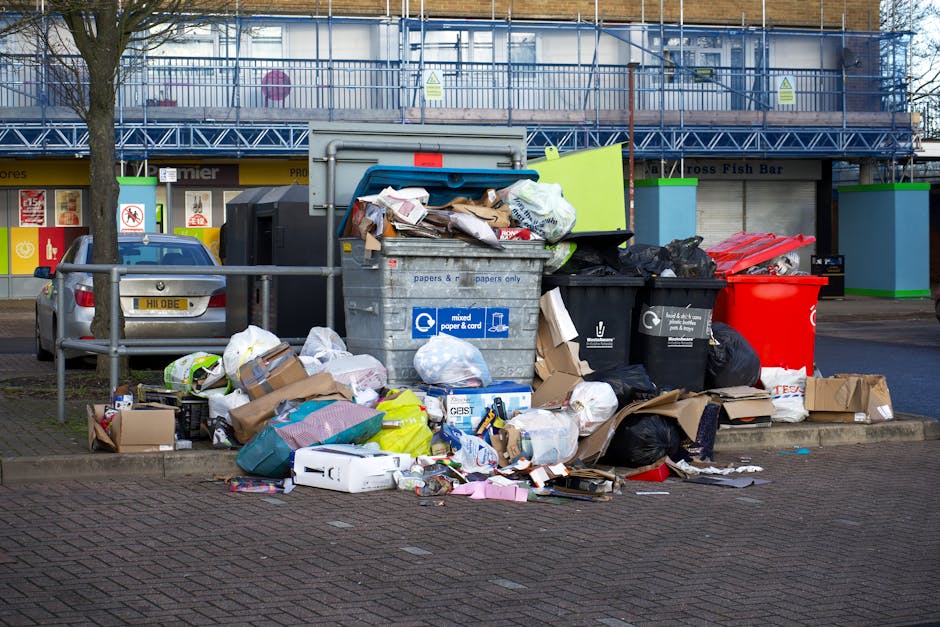
Commercial Waste in Sidcup for organised business collections
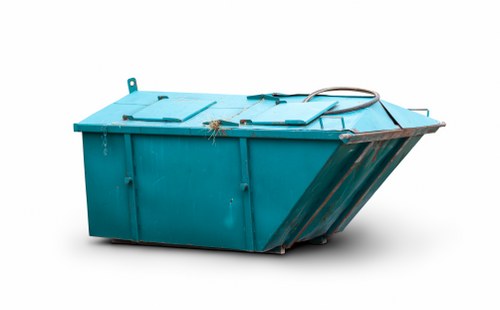
Commercial waste in Sidcup needs a practical, orderly approach when a business wants regular collections or a one-off clear-out handled without unnecessary disruption. Our service covers a range of non-hazardous business waste tasks, from mixed office rubbish to bulky items that need separating, loading and removal. The aim is straightforward: keep your premises clearer, support sensible disposal routes and make it easier to manage day-to-day waste obligations in a commercial setting.
We handle collection work for a variety of workplace waste streams, with commercial waste removal designed to suit premises that generate more than standard household rubbish. That can include paper, packaging, broken office items and other general business waste that needs moving in a controlled way. If you already know what type of waste you have, it helps shape the collection plan; if not, the key point is to request a quotation based on the items, access and volume.
For a quick start, use the main service pages to match your waste type, then request a quotation once you know what needs taking away. If you need a broader overview of what we collect, the main waste removal page is a sensible place to begin.
Regular business collections and ad hoc clearances
Many premises need more than a single uplift. Shops, small offices, workshops and shared units often generate waste in uneven amounts, so a practical collection service has to cope with routine rubbish as well as occasional bulkier jobs. Our business waste work is suited to those situations, with collections organised around the materials present and the amount that needs loading. It is useful where the waste is already bagged, boxed or stacked, but it can also cover looser items that need sorting before removal.
If you want to compare business-focused options, the business waste removal page describes the main commercial collection route, while the office clearance page is more relevant where desks, chairs, filing and general office contents need attention. Both are useful when the job is more than a simple bin emptying exercise and you want the removal arranged with the right level of care.
What can be collected from commercial premises

Commercial waste can take many forms, and the right approach depends on whether the load is mostly paper-based, mixed light rubbish or bulky items from a refit or clear-out. Typical business waste may include cardboard, packaging, obsolete stock, damaged furniture, loose office contents and general rubbish accumulated in storerooms or back areas. Where items are heavy or awkward, loading support matters as much as transport, because a good collection removes the strain from your own team.
Where furniture forms part of the job, the furniture clearance and furniture disposal pages help distinguish between general collection work and the removal of unwanted items such as tables, shelving and seating. For sites with tired office chairs or waiting-room pieces, the mattress and sofa disposal page can also be relevant when soft furnishings need to be moved as part of a broader clearance.
Not every business job is about everyday waste bags. Some instructions involve sorting mixed materials, identifying heavier objects or deciding which items should be removed first so the area can be used again. A clear description of the waste type is usually the best starting point, followed by a quotation based on the actual load rather than a guess. Accuracy at the outset helps keep the process simple.
Service options for different kinds of waste
We can describe the work more precisely once the waste type is known. Some customers need a general collection for everyday commercial rubbish; others need a targeted removal for furniture, appliances or accumulated stock. The service pages below reflect those different needs and make it easier to choose the right route before arranging collection. That helps avoid unnecessary back-and-forth and lets the job be planned around the items rather than forcing everything into one broad category.
For larger mixed jobs, the home clearance and house clearance pages are not business pages, but they may help you understand how a broader clearance is structured when contents, furniture and bagged waste all need attention. If your waste is mainly from a domestic-style property used as part of a business operation, those pages can still be useful as a reference point before you request the correct commercial quotation.
- General business rubbish and loose mixed waste
- Office contents, paper and packaging
- Bulky furniture and worn fixtures
- Garage, loft or storage clearances with mixed items
- Specialist removal needs for selected non-hazardous waste streams
Bulky items, fixtures and storage areas
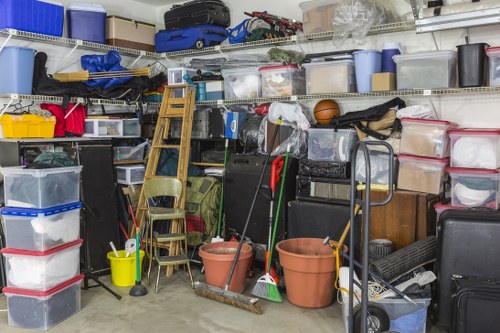
Bulky waste often needs a slightly different approach from regular bagged rubbish. Items from staff rooms, reception areas, stockrooms and storage cupboards can include shelving, cabinets, broken small furniture and other pieces that are awkward to carry or stack. Where the removal involves several item types, the aim is to keep the collection efficient while still dealing with the load carefully. This is especially important when access is limited or the items are tucked away in a back room.
For spaces that have gathered a long list of unwanted items, the garage clearance and loft clearance pages show how more enclosed storage areas can be approached when there is a mixture of boxes, forgotten stock and redundant equipment. If you are dealing with a workshop-style room or a back-of-house store, those pages can help you think through the scale of the job before asking for a quotation.
Some collections also involve separate items that are no longer useful but still need safe lifting and loading. That is where a measured approach matters: the waste is identified, the route is planned and the removal is handled in a way that suits the space. Clear instructions are usually enough to get the job moving in the right direction.
Specialist disposal routes for selected items
Not every commercial waste load is the same, even when it comes from the same premises. A site may need a specific disposal route for a fridge, appliance, sofa or other bulky object that cannot simply be mixed in with general rubbish. The important part is matching the item to the correct page and the correct collection method so the quotation reflects the actual work involved.
The fridge and appliance removal page is the most relevant route where electrical or white-goods-style items need collecting, while the mattress and sofa disposal page covers soft bulky items that need a separate handling approach. Where a business is replacing equipment, clearing a staff kitchen or removing old furnishings, these pages help keep the job description precise.
That precision is useful because commercial waste work often combines different item types in one instruction. A straightforward description of what is present, how much there is and where it is stored makes it easier to organise the right collection. If the items include anything unusual, note that early so the quotation can be prepared around the real load rather than a general estimate.
Pricing factors and quotation details
Commercial waste quotations are usually shaped by practical details rather than broad assumptions. The amount of waste, the type of items, the ease of access and whether loading is straightforward all influence how a job is priced. Mixed waste may take longer to separate than a uniform load, while bulky items can affect the labour involved. A good quotation therefore depends on a clear picture of the collection rather than a single rough description.
Our pricing and quotes page is the best place to understand how quotations are requested, and it sits alongside the book online page for customers who are ready to move ahead. If your business wants to compare options before deciding, those pages provide a useful route through the next step without making the process complicated.
When preparing a quotation request, it helps to mention the waste type, approximate volume and whether any items are especially heavy or awkward. You do not need a perfect inventory, but a sensible description supports a more accurate response. For many customers, that is enough to request a quotation confidently and keep the collection process efficient from the beginning.
Practical preparation before collection
A useful quotation request usually starts with a short description of what needs removing. If waste is spread across several rooms or storage points, it is worth noting that so the collection plan can account for the layout. Photographs can also help when a load contains mixed items or furniture, especially if the material is stacked or partly hidden. The aim is not perfection; it is enough detail to show the general size and type of the job.
Before collection, it can help to separate items that must stay on site from items that are ready to go. That reduces confusion and makes the loading stage smoother. Where access is through a shared entrance, a narrow passage or a back yard, let the team know so the removal can be planned around that route. A little organisation at this stage often makes the actual collection much simpler.
If you are not yet sure which page best matches your waste, browse the service options first and then ask for a quotation. For structured help with waste handling, the recycling and sustainability page explains the company’s general waste approach and is useful if you want to see how different materials are considered before removal. Use the pages that best match your load, then move on to the quote request when ready.
Hazard awareness and what should be checked first

Commercial waste should always be described carefully if there is any uncertainty about its contents. Most collection jobs are straightforward, but certain items need to be identified before removal so the right disposal route can be chosen. That is especially important where the load contains items that are not standard office waste or household-style rubbish. Clear information at the start helps avoid delays and ensures the quotation is based on the correct material type.
For items that need more specialist handling, the hazardous waste disposal page is the relevant place to check whether your load belongs in a different category. It is best to treat that page as a separate route rather than a general add-on, because not all waste can be dealt with in the same way. If you think a job includes unusual materials, mention them when requesting a quotation.
Not every business job involves specialist material, of course. Most commercial waste collection work is about organised removal of everyday items, unwanted fittings or accumulated rubbish. The key is to keep the description honest and specific. That protects the quotation process and helps the collection fit the actual waste stream instead of an assumed one.
About Sidcup
Sidcup is a district in south-east London, historically associated with the county of Kent before its later incorporation into Greater London. It sits within the London Borough of Bexley and is known for a mixture of suburban streets, local shopping areas and green open spaces that interrupt the built-up landscape. The area grew significantly during the late nineteenth and early twentieth centuries, when improved rail connections encouraged residential development and turned what had been a more rural settlement into a commuter district with a distinct identity. Many streets reflect that period of expansion through rows of late Victorian and Edwardian houses, while later development added flats, schools and local amenities that support the everyday life of the district. One of Sidcup’s most recognisable landmarks is Lamorbey Park, which preserves a sense of open landscape amid surrounding neighbourhoods, and nearby Foots Cray Meadows provides a larger expanse of riverside grassland and woodland that contributes to the area’s greener character. Sidcup’s centre includes civic and retail functions, with routes radiating toward neighbouring parts of Bexley and beyond, while the station links the district into the wider rail network. That combination of history, transport and suburban growth gives Sidcup a settled urban feel without losing the presence of older estates, parks and streetscapes that reveal how the place has developed over time.
Matching the right waste route to the job
Choosing the correct service page is often the simplest way to make a commercial waste request clear. A mixed clearance, a furniture-heavy load and a general rubbish collection all need slightly different descriptions, even if they come from the same building. By matching the load to the page that best reflects it, you can reduce confusion and give a stronger basis for the quotation. That is especially helpful where the waste includes several materials at once.
Where the job is tied to a premises being emptied, the flat clearance page may be useful for understanding how mixed contents are described, and the builders waste clearance page is relevant if the material comes from works, refurbishments or strip-out activity. For some customers, the confidential shredding page is also useful when paper records and secure disposal need to be handled separately from the rest of the load.
The main aim is to keep the request accurate, practical and concise. If you know what is being cleared, say so plainly. If you only know the rough type of waste, that is still enough to begin. Then request a quotation with the information you have, and the collection can be planned around the real job rather than a vague description.
Final checks before you request a quotation
Before sending an enquiry, it is worth doing one quick review of the waste you want removed. Note the main item types, how much there is and whether anything is awkward to carry or reach. If the load is spread across a site, mention the rooms or storage areas involved. That kind of brief preparation keeps the process simple and helps the quotation reflect the actual work. It also makes it easier to decide whether one collection is enough or whether a larger clearance is needed.
When you are ready, use the most relevant page as your starting point and keep the description focused on the material itself. If you need the broadest overview first, the general waste removal page and the more specific business waste removal page are the main routes for commercial customers. If you have already narrowed the job down, you can move straight to the quotation step without extra explanation.
For Sidcup businesses that want a clear, no-fuss waste collection plan, the simplest next step is to request a quotation with a short summary of the load. A well-described job is easier to price and easier to schedule, so the final step is usually just to choose the service that matches your waste and send the details through.