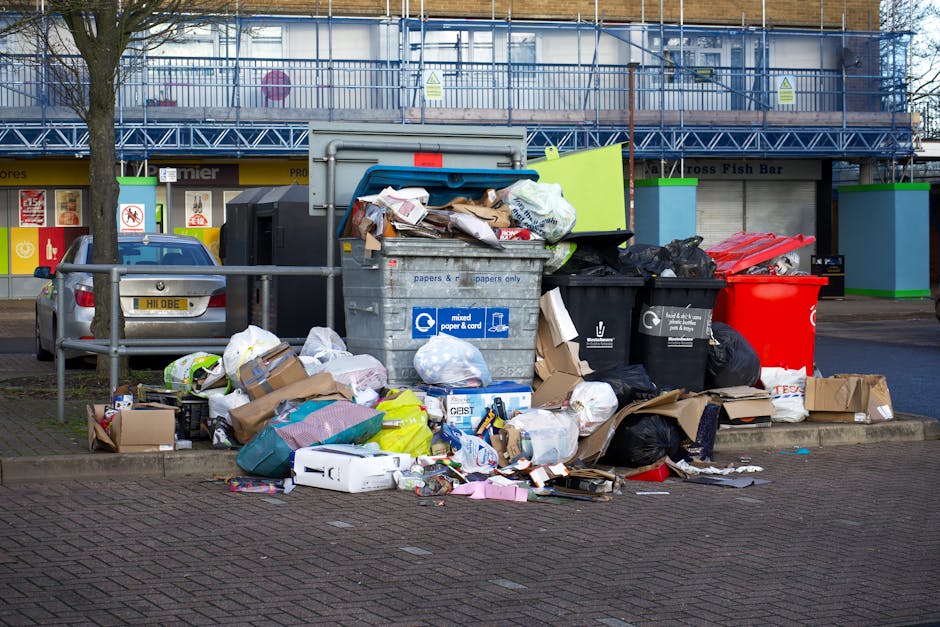
Sidcup Station bulky rubbish clearance near the station

If you are dealing with a sofa in the hallway, an old fridge by the door, or a pile of mixed junk that needs clearing before the next train rush, Sidcup Station bulky rubbish clearance near the station can feel more urgent than it first looks. Space near stations is tight, parking can be awkward, and bulky items have a habit of making everything harder than it should be. The good news? With the right approach, you can clear it quickly, safely, and without turning the day into a full-blown ordeal.
This guide explains what bulky rubbish clearance near Sidcup Station involves, how it works in practice, who it helps, and what to check before you book. It also covers sensible disposal choices, common mistakes, compliance basics, and a practical checklist you can actually use. No fluff, just the stuff that matters.
Why Sidcup Station bulky rubbish clearance near the station Matters
Bulky rubbish near a transport hub creates a slightly different set of problems than a standard home clear-out. Around Sidcup Station, access can be busy, walking routes need to stay clear, and large items can become a nuisance very quickly. A single mattress left out too long can look untidy. A broken wardrobe or office desk left on a narrow pavement becomes a trip hazard. And if you are trying to move items in or out during the morning or evening rush, timing matters a lot more than people expect.
There is also the simple reality that bulky waste is awkward. It is heavy, often dirty, sometimes sharp, and rarely easy to move in one piece. Anyone who has tried to wrestle a chipboard unit down a stairwell knows the feeling: squeaks, wobbling, a bit of swearing under your breath. Better to plan it properly.
Near a station, that planning becomes even more valuable because you often need to think about:
- tight access on residential streets
- restricted loading time
- foot traffic and public safety
- the need to keep entrances, pavements, and shared areas clear
- sorting items so they can be removed efficiently rather than in several frustrating trips
For households, landlords, shops, and small offices near Sidcup Station, a tidy clearance is not just about looks. It helps avoid delays, complaints, and unnecessary stress. That is the real point.
How Sidcup Station bulky rubbish clearance near the station Works
In practical terms, bulky rubbish clearance usually means a team comes to the property or business, assesses the load, removes the unwanted items, and disposes of them responsibly. The better services do this with clear pricing, sensible handling, and an eye on recycling where possible.
For a station-area job, the process is often shaped by access. You may have a flat above a shop, a basement storage space, a small office, or a family home with limited front-garden space. The cleaner the access plan, the smoother the job. That can mean parking close enough, using the shortest safe route, and knowing which items need to come out first.
A typical clearance might include furniture, appliances, mattresses, old shelving, general mixed rubbish, and bagged clutter. If the load includes specialist items, such as fridges or potentially risky materials, it is worth checking the relevant handling route in advance. For example, fridge and appliance removal is best treated separately from standard furniture. Likewise, any suspect material should be assessed carefully through hazardous waste disposal rather than bundled in with everything else.
Truth be told, the biggest difference between a smooth clearance and a stressful one is usually preparation. A few minutes of sorting can save a lot of lift-and-shift pain later.
Key Benefits and Practical Advantages
When bulky rubbish is cleared well, you notice the change straight away. The space feels bigger, the route feels safer, and the job stops hanging over your head. That matters more than people admit.
Here are the main benefits:
- Faster turnaround: useful when you need a flat, shopfront, or office space ready quickly.
- Less physical strain: no dragging heavy items down stairs or through narrow doorways by yourself.
- Cleaner access routes: especially important near a station where passers-by and neighbours are constantly moving through.
- Better disposal outcomes: usable materials can often be separated for recycling rather than mixed into one pile.
- Less disruption: a tidy, planned clearance is usually less noisy and less chaotic than a half-finished DIY removal.
There is a commercial benefit too. If you run a business near Sidcup Station, lost time is lost money. A cluttered office, reception area, or stock room tends to slow everyone down. For that reason, some customers choose a broader business waste removal service for recurring jobs rather than leaving it to pile up.
Expert summary: the best bulky rubbish clearance near a station is rarely the fastest-looking one at the start. It is the one that is planned properly, lifted safely, and taken away in one clean pass.
Who This Is For and When It Makes Sense
This service suits more people than you might think. It is not just for big house moves or shop refits. In fact, many of the jobs near Sidcup Station are fairly ordinary day-to-day clear-outs that have simply become inconvenient.
It makes sense if you are:
- moving out of a flat and need bulky items gone before handover
- clearing a rental property between tenants
- replacing furniture and want the old pieces removed at the same time
- emptying a garage, loft, or storage room that has quietly filled up over the years
- tidying a small office, cafe back room, or shop storage area near the station
- dealing with leftover items after renovation or refurbishment work
For larger domestic jobs, a dedicated house clearance or home clearance may be more suitable. If the work is more focused on one room or one type of item, targeted services such as furniture disposal or mattress and sofa disposal can be a neater fit.
And yes, sometimes the trigger is simply that the thing has become impossible to ignore. One broken wardrobe leaning against a wall can sit there for weeks. Then one morning it suddenly feels massive. Funny how that happens.
Step-by-Step Guidance
If you want the process to feel calm rather than chaotic, break it down into stages. Here is the practical version.
- List what needs removing. Group items by type: furniture, appliances, mixed rubbish, garden waste, or building debris.
- Check access. Think about stairs, lifts, narrow hallways, parking, and whether items can be brought out safely without blocking shared space.
- Set aside anything you want to keep. Sounds obvious, but this is where mistakes happen. A quick second look can prevent a regret later.
- Separate special items. Fridges, confidential paperwork, and anything potentially hazardous should not be lumped in with standard waste.
- Choose the right service type. For example, furniture clearance is better for bulky household pieces, while builders waste clearance fits renovation debris much better.
- Ask about recycling and handling. A responsible operator should explain how items will be sorted and where possible recycled.
- Confirm timing. Near the station, picking a sensible arrival window can avoid congestion and make loading easier.
- Keep the route clear. Move smaller items, door mats, bins, bikes, and loose boxes out of the way before the team arrives.
If you are booking online, the book online option can be a straightforward starting point. If you want to compare job scope and likely costs first, take a look at pricing and quotes. Simple enough, and often quicker than calling around with a tape measure in one hand and a coffee in the other.
Expert Tips for Better Results
Small improvements make a noticeable difference on clearance day. In our experience, the best jobs are the ones where the customer has already done a little pre-sorting and thought through access. Nothing dramatic. Just sensible.
- Take photos before you book. A few clear pictures help explain the volume and type of waste.
- Put the heaviest items closest to the exit. That saves time and reduces carrying distance.
- Keep sharp and awkward items separate. Broken bed frames, splintered timber, and metal shelving can snag clothing or damage walls.
- Use bags for loose rubbish. It is easier to move and less likely to scatter.
- Do a final sweep of cupboards and drawers. People forget things there all the time.
If your clearance involves a loft or garage, think about sequencing. A loft clearance or garage clearance often runs smoother when bulky items are brought down first and smaller loose waste is removed last.
One more thing: try not to overfill the route to the front door while waiting for collection. It feels efficient for a minute, then turns into a cramped obstacle course. We have all seen that kind of scene.
Common Mistakes to Avoid
Most clearance headaches come from a handful of avoidable mistakes. The good news is they are easy to spot once you know what to look for.
- Leaving everything to the last minute. That is how access gets messy and stress levels rise.
- Mixing restricted items with ordinary waste. Always separate anything that needs specialist handling.
- Guessing the load size. Underestimating volume can lead to delays or a second visit.
- Blocking communal access. Especially important near flats, shopfronts, and shared entrances.
- Assuming all disposal is the same. It really is not. A sofa, a fridge, and plasterboard are different beasts.
- Not checking what can be recycled. Some items are more useful than they first appear.
For example, a customer might book a simple bulky rubbish clearance but then discover the pile includes old office paperwork, kitchen appliances, and a broken cabinet full of mixed odds and ends. That is not a disaster, but it does need a clearer plan. If the paperwork is sensitive, confidential shredding is the safer route. If the job is mainly work-related, an office clearance can be the smarter choice.
Tools, Resources and Recommendations
You do not need specialist equipment for most small-to-medium clearances, but a few simple tools can make the process safer and less annoying.
- Work gloves: useful for rough edges, dust, and splinters.
- Sturdy bags or boxes: good for loose waste, paperwork, and smaller items.
- Tape or labels: helpful if you are separating keep, remove, recycle, and donate items.
- Measuring tape: worth having if large items need to pass through tight doorways.
- Dust sheet or old blanket: can protect flooring and corners during movement.
As for service selection, choose the route that matches the waste rather than the one that sounds broadest. A mixed domestic clear-out may suit waste removal. A post-renovation job may fit builders waste clearance. A one-off bulky item job might sit neatly under furniture disposal. Matching the job to the service tends to save time, and often money too.
If sustainability matters to you, ask how items are sorted for reuse and recycling. The page on recycling and sustainability is a useful reminder that responsible clearance is not just about getting rid of things; it is about handling them properly.
Law, Compliance, Standards and Best Practice
Bulky rubbish clearance is not something to treat casually. In the UK, waste should be handled by a responsible carrier, and the person producing the waste also has duties to make sure it goes to the right place. You do not need to become a waste-law expert, but you should expect proper handling, clear communication, and sensible documentation where appropriate.
In plain English, best practice usually means:
- using a service that understands waste handling duties
- separating recyclable, reusable, and specialist waste where possible
- keeping access routes safe and unobstructed
- avoiding fly-tipping risks by checking where the waste is taken
- treating electricals, fridges, confidential paper, and hazardous material carefully
If you are unsure about safety processes, it is sensible to look at health and safety policy information and insurance and safety details before booking. For payment reassurance, payment and security can also help build confidence.
One small but important point: if a job sounds too cheap to be real, ask questions. Cheap and lawful are not always the same thing. A slightly dull reminder, perhaps, but a useful one.
Options, Methods and Comparison Table
There is more than one way to deal with bulky rubbish near Sidcup Station. The right option depends on volume, item type, access, and how quickly you need the space back.
| Method | Best for | Advantages | Trade-offs |
|---|---|---|---|
| Bulky rubbish collection | Mixed large items and household clutter | Fast, flexible, minimal disruption | Needs clear access and good sorting |
| Furniture clearance | Sofas, wardrobes, tables, beds | Ideal for one-off room or property clear-outs | May not suit mixed debris |
| Skip-style approach | Worksites with ongoing waste generation | Good for longer projects and repeat use | Space and loading access can be restrictive |
| Targeted specialist removal | Fridges, mattresses, appliances, confidential waste | Safer handling for specific item types | May require separate planning |
If you want a clearer sense of what fits into a skip-type setup, the page on what can go in a skip is helpful. It is not the same as a clear-out service, of course, but it does clarify the way different waste streams are usually thought about.
Case Study or Real-World Example
Here is a realistic scenario. A small flat near Sidcup Station has just been vacated after a tenancy. The hallway contains a dismantled bed frame, two mattresses, a broken desk chair, a microwave that no longer works, some bagged household clutter, and a couple of small shelves that were left behind in a rush.
The first instinct is often to try to move everything at once. But that usually creates jams in the corridor, scratches on walls, and a lot of unnecessary back-and-forth. Instead, the smarter approach is to sort the load before the team arrives:
- the mattresses go with a specialist mattress route
- the microwave and similar electricals are separated for appliance handling
- the bed frame and shelves are stacked safely
- bagged clutter is grouped together so it can be lifted quickly
The result is a quicker clearance, less risk of damage, and a much calmer handover. Nothing glamorous, just efficient. And that is often what people really want.
In a similar office job, a storage room by a station entrance might include old filing cabinets, a printer, and cardboard archives. In that case, business-focused clearance and confidential handling become more relevant than standard domestic rubbish removal.
Practical Checklist
Use this before your clearance day. It keeps things simple.
- Identify all bulky items that need removing
- Separate furniture, appliances, paper, and hazardous items
- Check stairways, lifts, and entry routes
- Make parking or loading access as clear as possible
- Remove anything you want to keep from drawers and cupboards
- Bundle loose rubbish into bags or boxes
- Take photos of awkward items if you need a quote
- Confirm whether you need furniture, appliance, or general waste handling
- Review recycling or reuse options for still-usable items
- Keep communal pathways and station-adjacent access routes clear
For bigger domestic jobs, you may also want to combine this with house clearance or flat clearance if the property needs a more complete tidy-up. That kind of joined-up approach often saves a second round later on.
Conclusion
Sidcup Station bulky rubbish clearance near the station is about more than just getting rid of unwanted items. It is about clearing space safely, protecting access, and choosing the right route for the waste you actually have. When the job is planned well, the whole thing becomes much easier than people expect.
The best results usually come from a little preparation, a realistic view of access, and a service that treats bulky waste properly rather than rushing it. Whether you are dealing with furniture, appliances, mixed rubbish, or a full room of clutter, the goal is the same: tidy space, less stress, and no nasty surprises.
Get a free quote today and see how much you can save.
If you are ready to move from "I should sort that" to "that's done," take the next step with confidence. A clean, open space near the station can make a bigger difference than you think.
Frequently Asked Questions
What counts as bulky rubbish near Sidcup Station?
Bulky rubbish usually means large household or business items that are awkward to move and do not fit in normal bags, such as sofas, wardrobes, mattresses, desks, and some appliances.
Can bulky rubbish be collected from a flat near the station?
Yes, but access matters. Stairs, lifts, shared hallways, and parking restrictions can all affect how the job is planned, so it helps to give clear access information up front.
Do I need to separate furniture from general waste?
It is usually a good idea. Furniture often goes through a different handling route from mixed rubbish, and separating it can make the clearance quicker and more efficient.
What if I have a fridge or washing machine to remove?
Appliances should be treated carefully because they are not the same as ordinary bulky waste. Check specialist handling such as fridge and appliance removal rather than assuming they can be added to general waste.
How do I know if I need a full house clearance instead?
If the property needs multiple rooms cleared, or you are dealing with a wider move-out or probate-style emptying job, a full house clearance is often more practical than a simple bulky item collection.
Is it better to book a bulky rubbish clearance or a skip?
It depends on your access, volume, and how involved you want to be. A clearance service is usually better if you want the items lifted for you, while a skip can suit ongoing projects where you are happy to load waste yourself.
What should I do with confidential paperwork?
Do not put it in mixed rubbish if it contains sensitive information. Use confidential shredding so it is handled more securely.
Can I include hazardous waste in the same load?
Not usually. Anything potentially hazardous should be identified separately and handled through the correct disposal route. If you are unsure, ask before collection day.
How can I prepare for a clearance in a busy station area?
Keep access routes clear, note parking restrictions, group the items together, and try to book a sensible time so the team can work without blocking foot traffic.
Will the items be recycled if possible?
That depends on the type and condition of the waste, but responsible operators generally sort items with recycling and sustainability in mind where they can.
How much does bulky rubbish clearance cost?
Costs vary by item type, volume, access, and whether any specialist handling is needed. The safest approach is to request a quote based on your actual load rather than guessing.
What if I also need a garage or loft cleared?
That can often be combined into one visit. Services such as garage clearance and loft clearance are useful when the bulky rubbish is part of a larger tidy-up.
Who should I contact if I have questions before booking?
You can review the company background on the about us page, check the complaints procedure if you want to understand service standards, or use the contact us page for direct help.